The Silent Revolution: Why Disney’s ASL Re-Animation is a Masterclass in Inclusive Storytelling

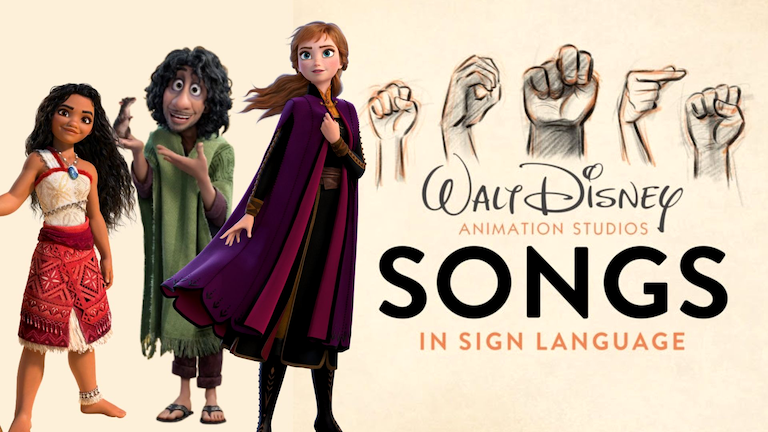
In the world of global IP, “Main Character Energy” is usually defined by what we hear—iconic soundtracks, witty dialogue, and soaring power ballads. However, Disney is currently sparking a discussion amongst the internet by redefining the sensory experience of their classics. The latest trend taking over the “For You Page” isn’t a new sequel, but the re-animation of beloved movies using American Sign Language (ASL).

This isn’t just an accessibility update; it’s a masterclass in Emotional World-Building and Authentic Storytelling. At Sevenvault, we’re breaking down why this inclusive shift is the super-strategy every modern brand needs to study.

1. Visualizing the "Unspoken" Narrative

By integrating ASL directly into the animation—rather than using a small picture-in-picture interpreter—Disney is leaning into Persona Anchors. ASL is a deeply expressive, kinetic language that relies on facial expressions and body movement as much as hand signs.

The Trend: Modern audiences, especially Gen Z, value Social Impact as much as entertainment. Watching a character like Ariel or Simba communicate through ASL adds a new layer of “Binge-Worthy” visual depth. It transforms a familiar story into a fresh, “Must-Watch” experience for both the Deaf and hearing communities alike.

2. Bypassing the "Follower Wall" via Niche Fandoms

Inclusive marketing often lives in a silo, but this trend has successfully penetrated diverse fandom islands—from linguistics enthusiasts and educators to Disney “Superfans.”

The Strategy: Disney didn’t just drop these versions quietly. They leveraged Tiered Influence, partnering with Deaf creators and ASL advocates to produce the new animations.

The Result: This created a high-retention engagement cycle. When a creator signs along to a Disney classic, it triggers a massive wave of User-Generated Content (UGC), turning the audience into organic brand ambassadors.

3. Strategic "Human-Centric" Branding

In the 2026 digital ecosystem, the brands that win are the ones that dare to be human. By prioritizing the Deaf community, Disney is bridging the gap between a multi-billion dollar legacy and a community that has historically been underserved in mainstream animation.

The Insight: This move creates a Sustained Market Presence. It isn’t a seasonal campaign; it’s a permanent expansion of their market reach. It positions the brand as a leader in “Science meets Heart,” utilizing advanced animation tech to solve a real-world accessibility pain point.

Sevenvault Takeaways: Building Your Inclusive Narrative

How can your brand replicate this “High-Momentum” success?

Ditch the “Check-Box” Approach: Don’t just add subtitles; rethink how your product can be experienced through different senses.

Partner with the Pros: Collaborate with niche communities early in the creative process to ensure Authentic Storytelling.

Gamify Learning: Use short-form content to teach your audience simple signs or phrases related to your brand to drive Call-To-Action engagement.

The verdict? Disney’s ASL re-animation has proven that the most effective way to drive brand affinity is to first drive “heart traffic”. In 2026, the quietest stories are often the ones that make the most noise.

See other case studies:

Leave a comment

Your email address will not be published. Required fields are marked *